

Summary & Key Takeaway:
Winterizing coastal Texas homes in League City TX requires insulating attic pipes near soffit vents, installing insulated foam covers on exterior hose bibs, dripping faucets during hard freezes below 28°F, and protecting pool filtration manifolds from sudden freeze damage.
Because winters along the Texas Gulf Coast are generally mild, homeowners in League City and Galveston County are frequently caught off guard when sudden polar air masses sweep south. When temperatures plummet into the 20s with gusting north winds, the vulnerability of coastal plumbing becomes painfully evident. Understanding exactly which pipes freeze first—and taking targeted preventative measures—is the key to preventing catastrophic burst pipes.
The 'Freeze Hierarchy': The 4 Pipes That Burst First
Through 15+ years of responding to freeze emergencies across Galveston County, our master plumbers have identified the exact order in which residential plumbing fails:
- Attic Pipes Near Eaves and Soffit Vents: Coastal Texas homes have continuous perforated soffit vents to exhaust humid summer heat. During a freeze, icy north winds blow directly across copper pipes routed near roof eaves, freezing standing water in less than 3 hours.
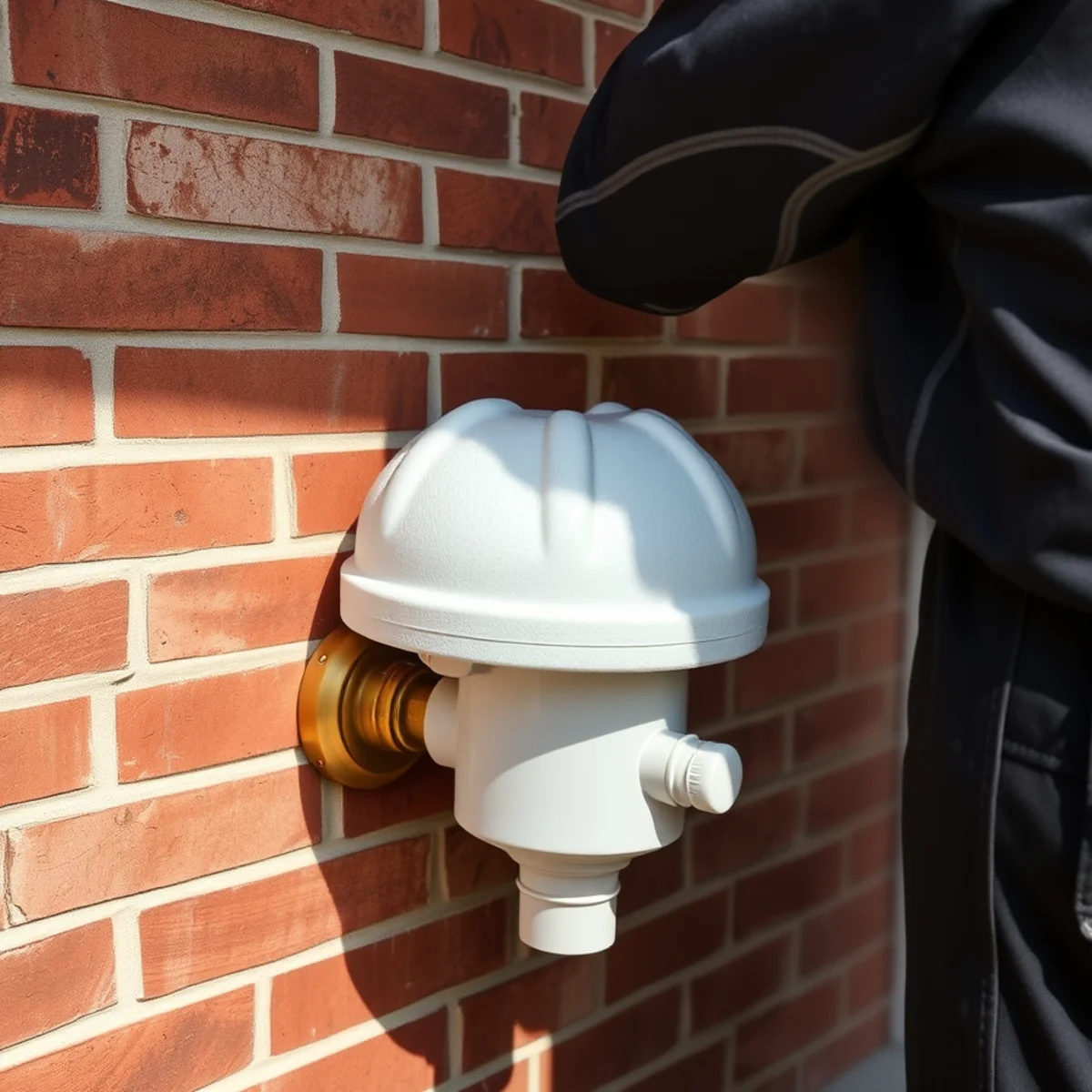
- Outdoor Hose Bibs & Garden Spigots: Brass faucets protruding through exterior brick veneer have zero thermal insulation. Trapped water inside the valve body freezes, splits the brass, and bursts the copper supply line inside the wall cavity.
- Uninsulated Garage Plumbing & Water Heaters: Water supply lines feeding water heaters on unheated garage platforms freeze quickly, popping pressure-relief valves and soldered copper 90-degree elbows.
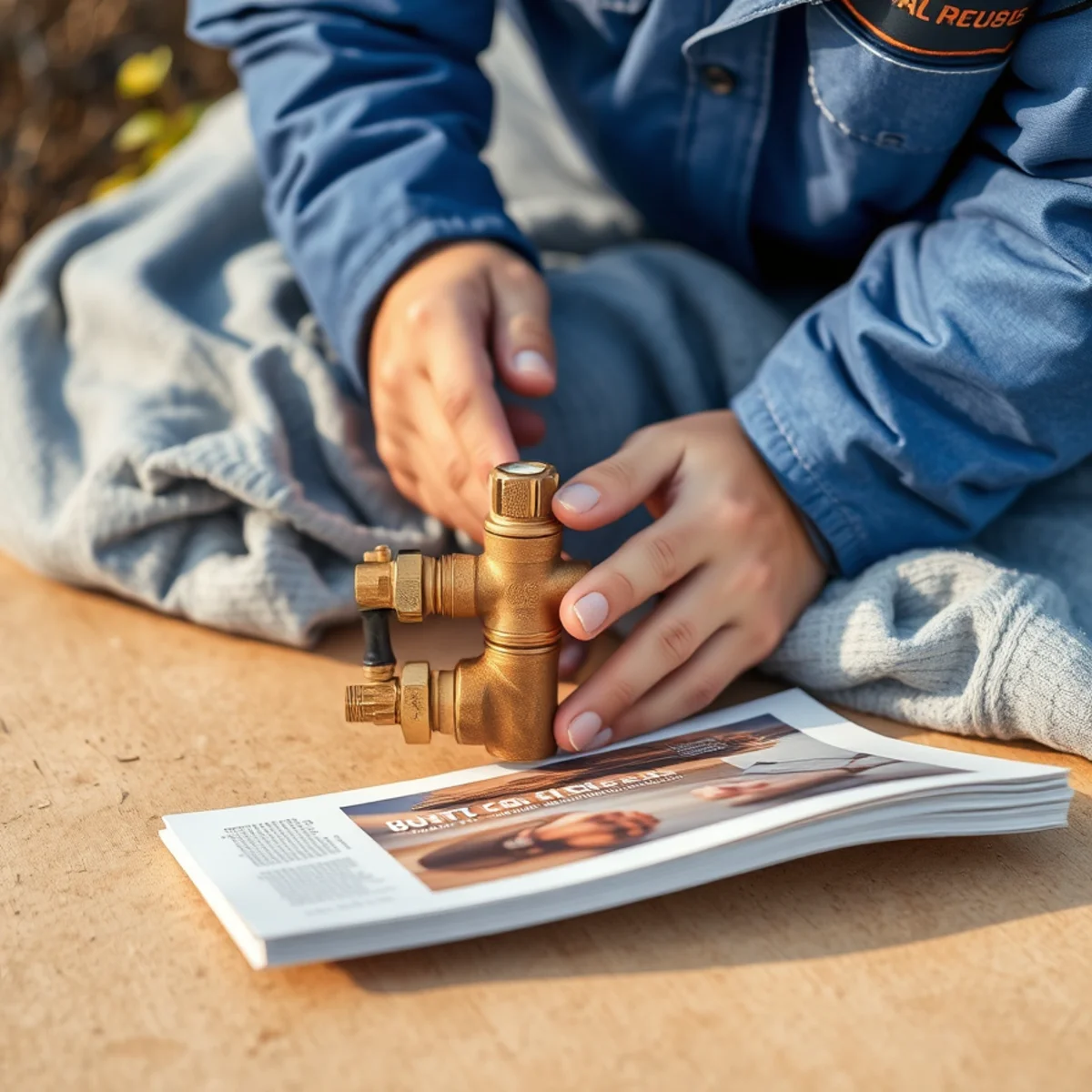
- Swimming Pool & Sprinkler Backflow Assemblies: Above-ground PVB and RPZ backflow preventers have thin brass bodies that crack instantly when freeze water expands inside valve chambers.
Targeted Coastal Winterization Action Plan
| Plumbing Area | Vulnerability Level | Immediate Action | Permanent Fix |
|---|---|---|---|
| Attic Eave Lines | Extreme | Drip cold & hot taps; open cabinet doors | Reroute pipes below R-30 insulation or Uponor PEX |
| Exterior Hose Bibs | Extreme | Disconnect hoses; install styrofoam domes | Install frost-free Woodford anti-siphon spigots |
| Irrigation Backflow | High | Shut isolation valve & drain bleeders | Install heavy insulated fiberglass hot box |
| Garage Water Lines | Moderate | Wrap with closed-cell foam tubing | Enclose in insulated drywall chase |
The Faucet Dripping Debate: Solved by Physics
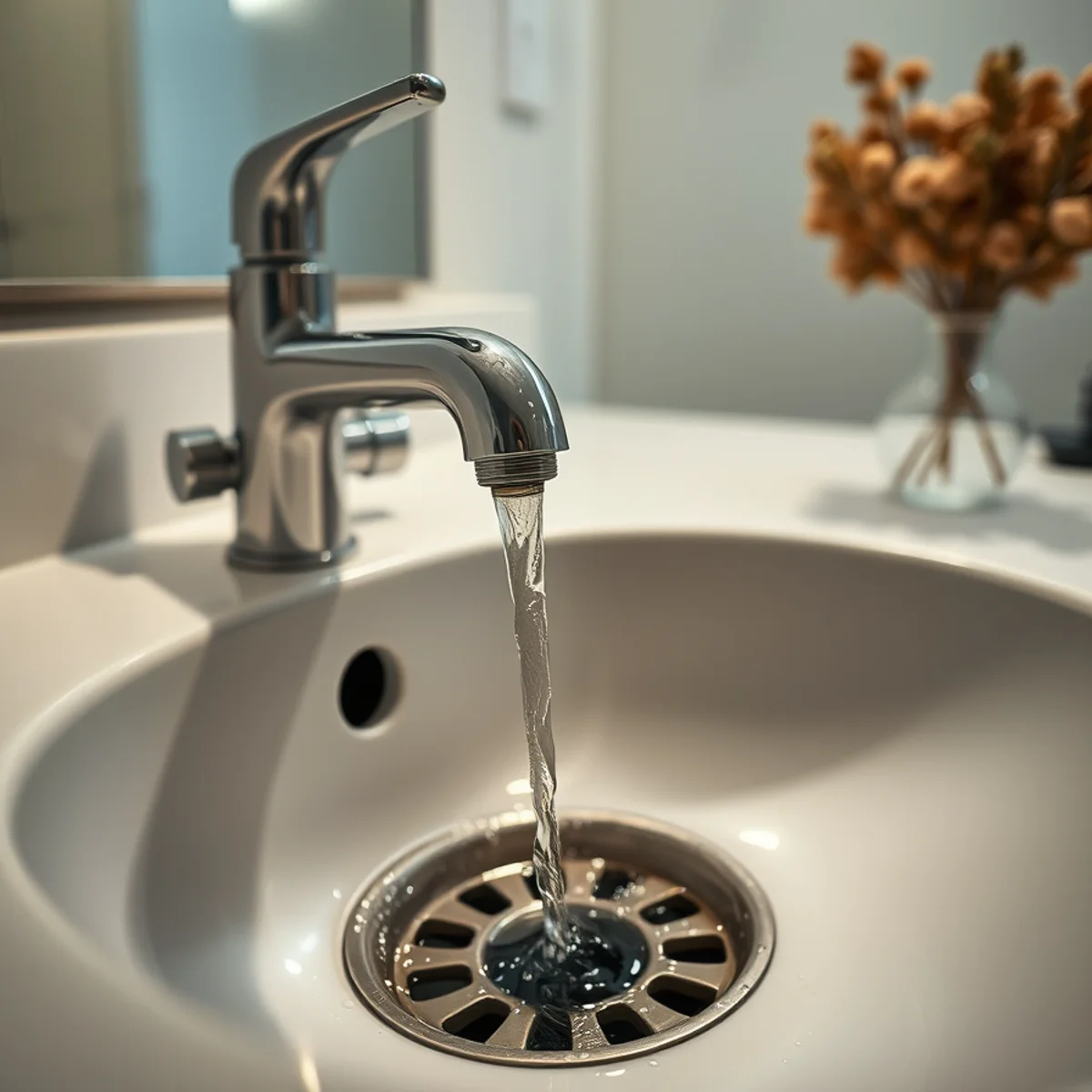
Many homeowners wonder if dripping faucets really works. The answer is an emphatic yes, but not for the reason most people think. Moving water does freeze slightly slower than standing water, but the primary benefit of an open faucet is pressure relief.
When ice forms inside an attic pipe, it traps water between the ice blockage and the closed faucet valve. As the ice expands, pressure builds to over 3,000 PSI until the copper ruptures. By keeping a faucet slightly open (a steady trickle the thickness of a pencil lead), expanding water vents harmlessly into the drain, preventing the hydraulic pressure spike that splits the pipe.
Serving League City & Galveston County Freezes
If winter weather freezes your pipes in League City, Dickinson, TX, or Galveston County, our licensed plumbers arrive in under 45 minutes for Burst Pipe Repair. Call League City Pro Plumbing & Drain 24/7 at (831) 290-4327.
Illustrated Field Diagnostics & Procedure Steps

This guide was compiled by licensed Texas Master Plumbers with over 15 years of active field diagnostic experience across League City, Clear Lake, and Galveston County. Every diagnostic protocol, code citation, and repair recommendation adheres strictly to the 2021 International Plumbing Code (IPC) and municipal guidelines. For emergency triage or on-site inspections, our mobile fleet is dispatched 24/7 from 1930 Highway 3 S.
Related Plumbing Services:
Areas Mentioned in this Guide:
Questions Answered in this Guide
Frequently asked questions related to this plumbing topic.
Drip both. Hot water and cold water lines run through the exact same uninsulated attic spaces and freeze at identical rates. A dual trickle from the fixture farthest from the main water meter protects both supply networks.