
Summary & Key Takeaway:
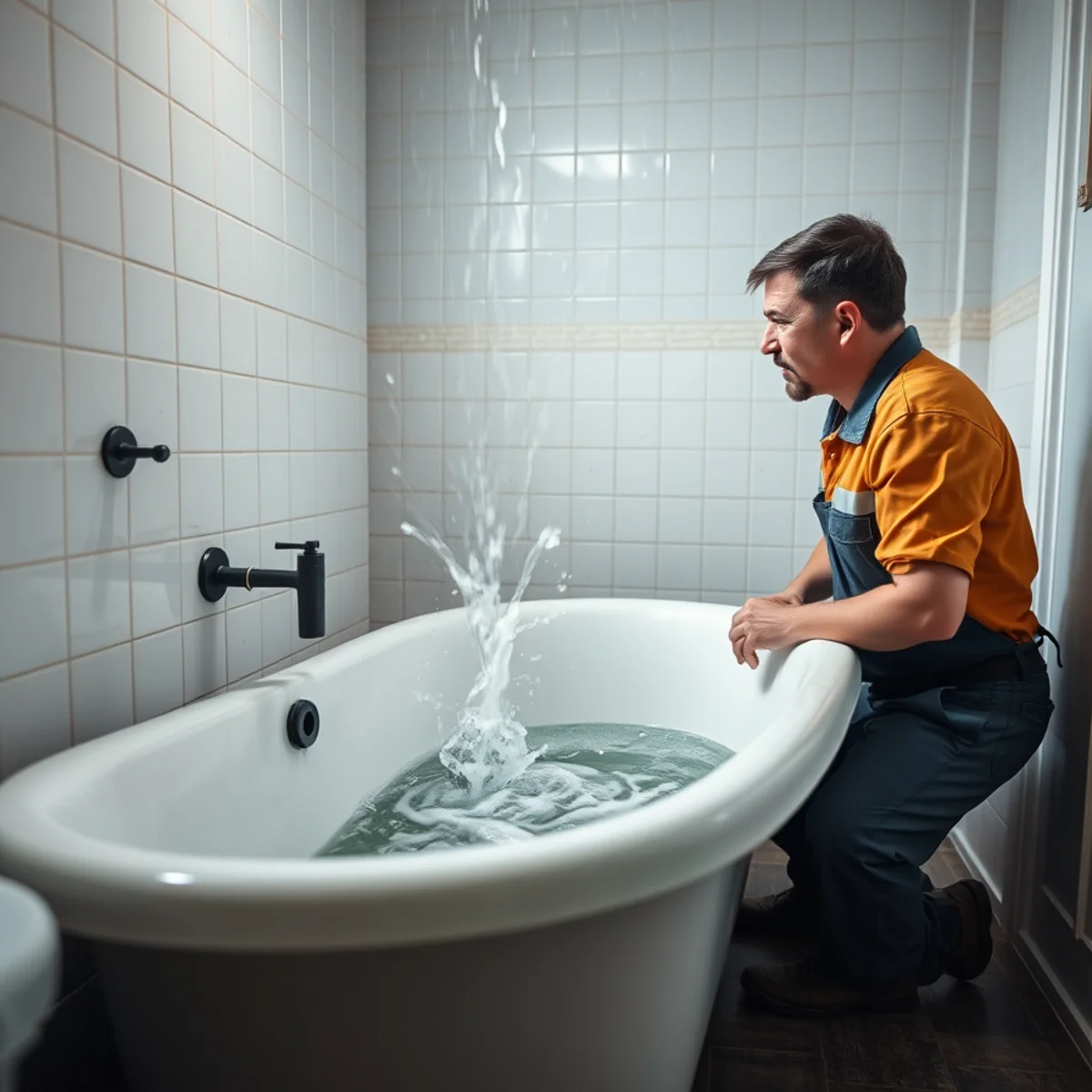
When raw sewage backs up into League City tubs and toilets during heavy rain, stormwater inflow and infiltration (I&I) into municipal mains creates hydraulic backpressure. If your private lateral has oak root intrusions or lacks an exterior backwater check valve, wastewater surges backward into your lowest home fixtures.
Few household events are more disturbing than walking into your bathroom during a heavy Galveston County thunderstorm and watching dark, foul-smelling sewage gurgle up from shower drains and toilet bowls. In League City, this phenomenon is not an isolated plumbing anomaly; it is the direct result of extreme coastal weather interacting with aging municipal sewer infrastructure and expansive clay soil dynamics.
The Root Cause: Inflow & Infiltration (I&I)
Municipal sewer systems in League City and neighboring Clear Lake communities are engineered as closed sanitary networks designed exclusively for household wastewater. However, during intense downpours where rainfall exceeds 2 to 4 inches per hour, millions of gallons of rainwater enter the sewer system through a process known as Inflow and Infiltration (I&I):
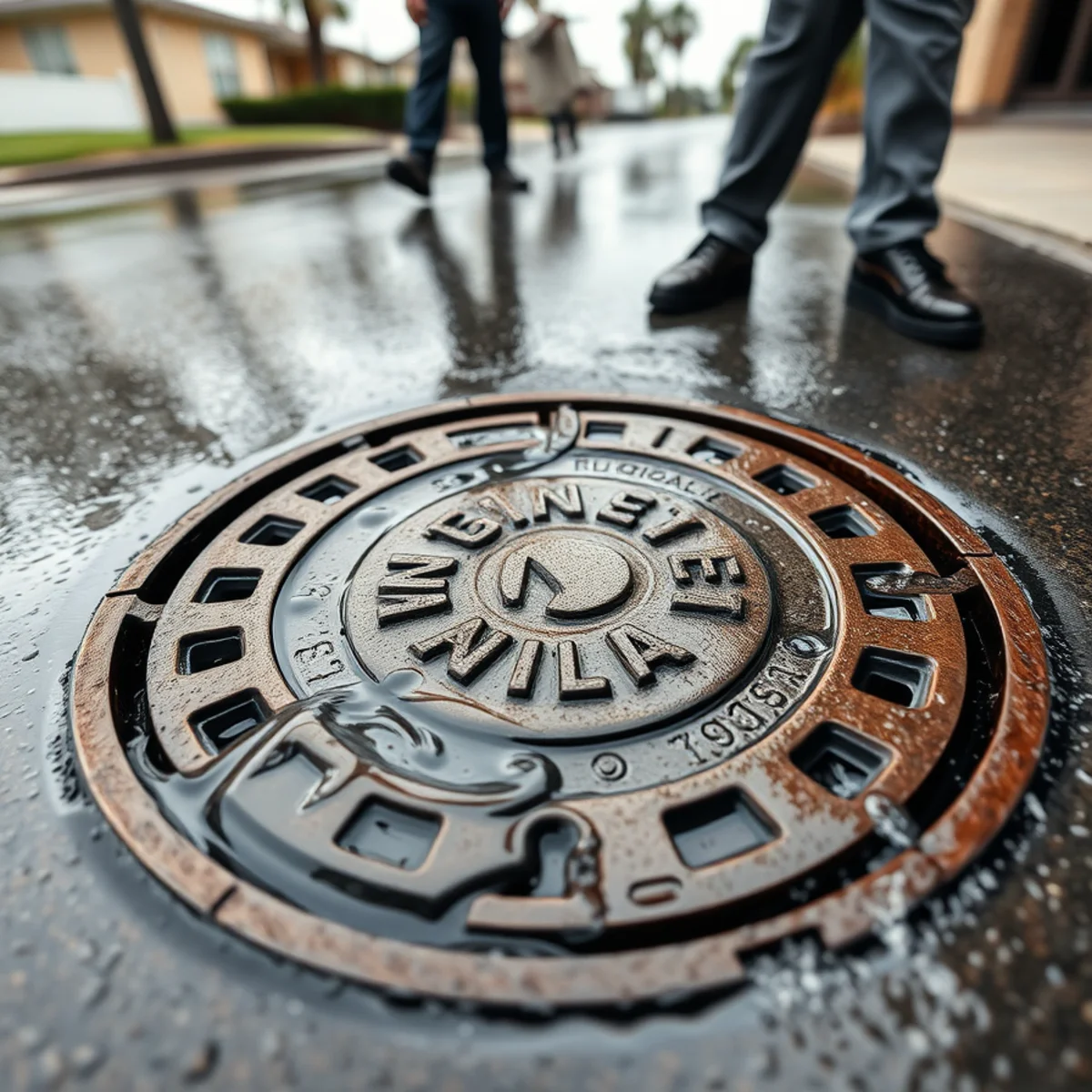
- Inflow: Rainwater entering directly through unsealed street manhole covers, low-lying cleanout caps, and illegal yard drain tie-ins.
- Infiltration: Groundwater seeping into aging underground municipal collection pipes through cracked joints, deteriorated mortar, and foundation root breaches.
As the city mains surcharge and reach 100% capacity, wastewater has nowhere to flow forward toward the wastewater treatment plant. The resulting hydraulic backpressure pushes blackwater backward up private residential laterals, seeking the lowest point of atmospheric relief—which is almost always your ground-floor bathtub, shower pan, or washing machine standpipe.
Compounding Private Lateral Vulnerabilities
While city sewer overload is a major driver, the backup rarely enters every home on the block equally. Homes that suffer backups usually possess one of three private line vulnerabilities:
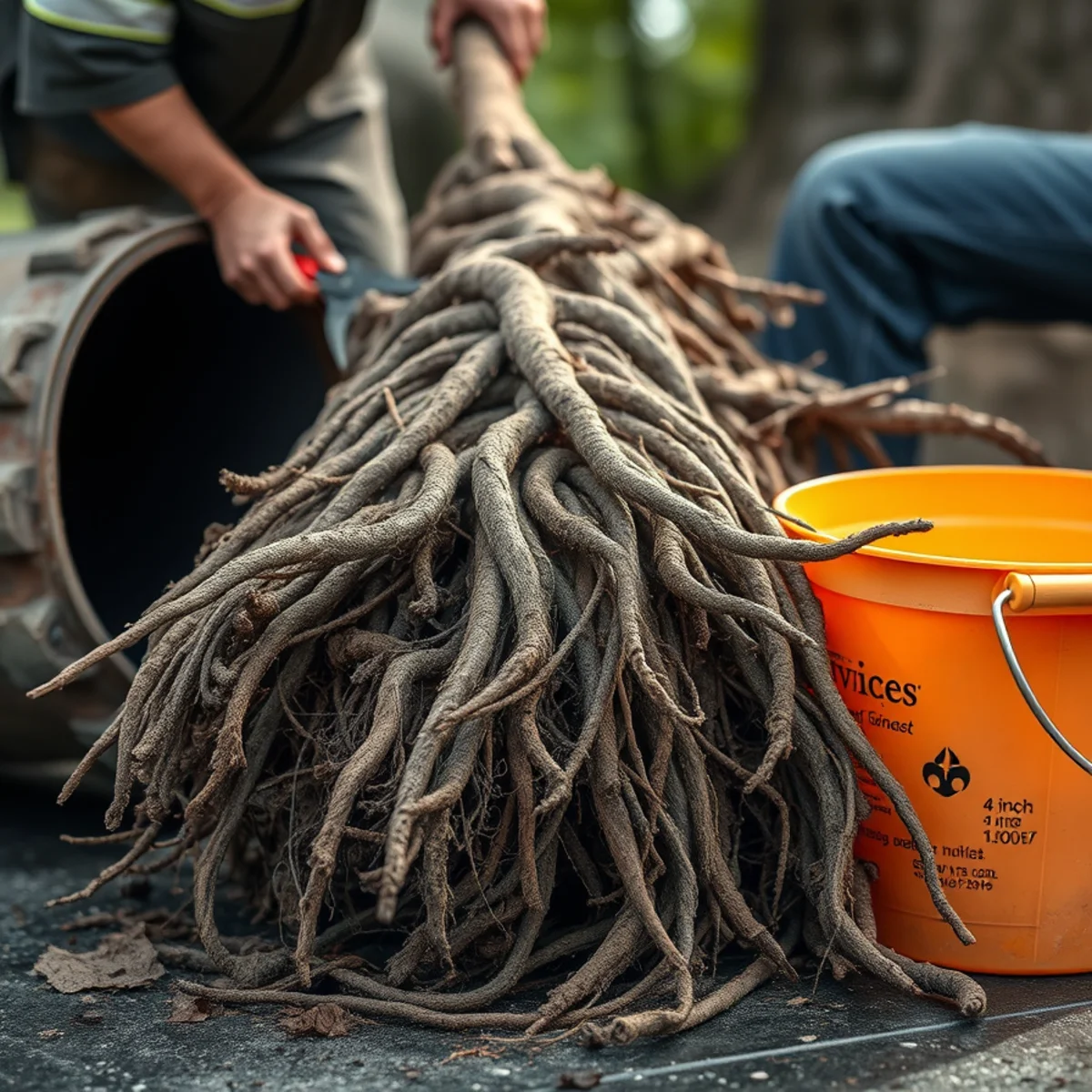
- Aggressive Live Oak Root Intrusion: Mature live oaks in mature Clear Lake neighborhoods send hair-thin root tendrils into microscopic pipe seams seeking moisture. Over months, these expand into dense root masses that slow down flow and trap paper debris.
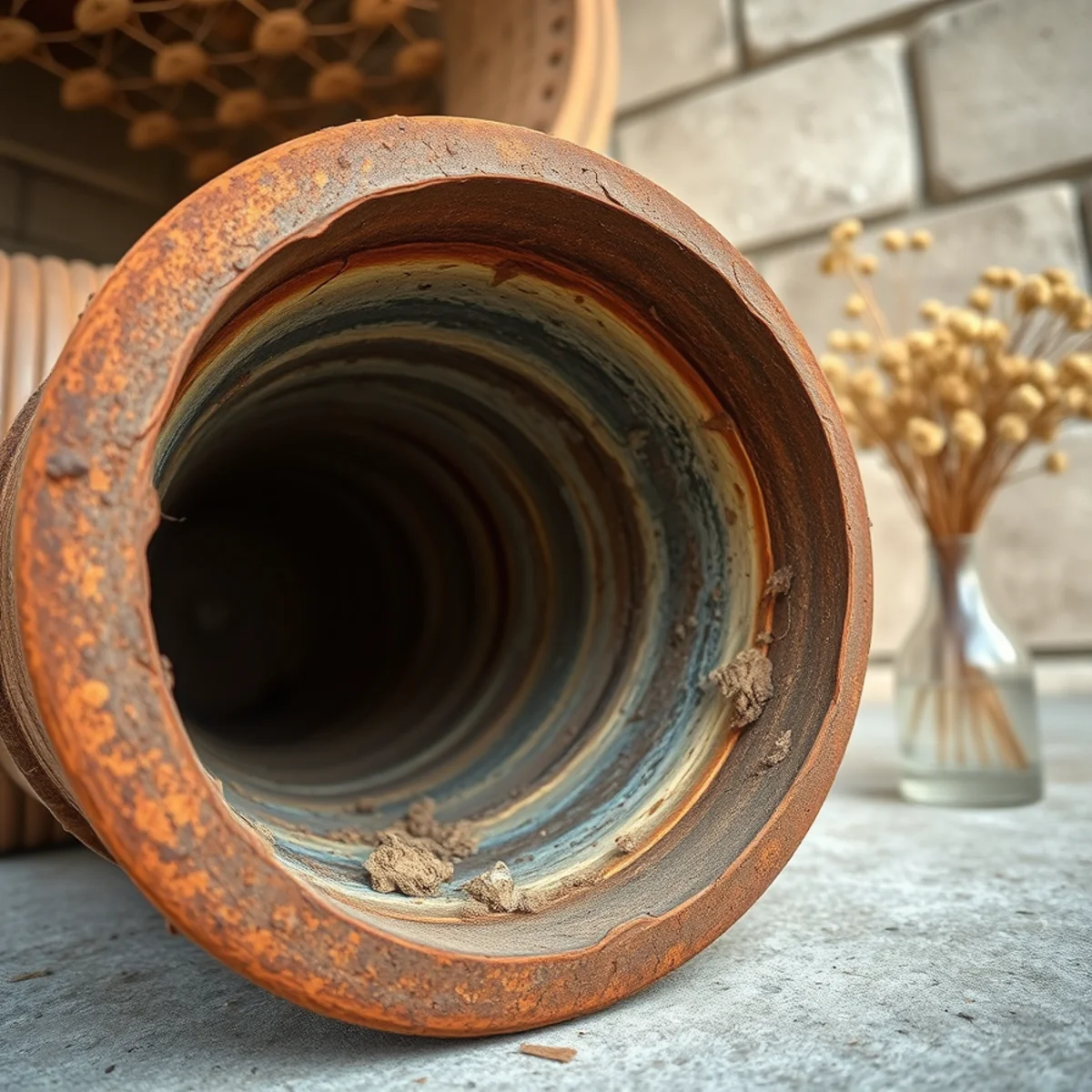
- Cast Iron Channeling and Scale: In 1970s and 1980s homes, cast iron sewer pipes rust along the bottom, creating jagged ridges that catch solids.
- Absence of an In-Line Backwater Check Valve: Homes plumbed without an exterior check valve have zero physical protection when street mains surcharge.
Sewer Backup Risk by Neighborhood Profile
| League City Zone | Primary Soil / Pipe Type | Dominant Storm Risk | Recommended Solution |
|---|---|---|---|
| Clear Creek Village & Weyer | Aging Cast Iron & Clay Tile | Severe root intrusion & cracked joints | Hydro Jetting & Trenchless Bursting |
| Bay Ridge & Countryside | Schedule 40 PVC (Low Elevation) | Bayou storm surge hydraulic backflow | Exterior Backwater Check Valve Installation |
| South Shore Harbour & Mar Bella | Modern PVC / High Water Table | Municipal lift station power lag | Camera Diagnostic & Sump Backup Fortification |
Permanent Solution: The Backwater Check Valve
The gold standard engineering solution to rain-induced sewer backups is an in-line backwater check valve. Installed on your exterior sewer lateral between the foundation and the property line, this valve features a stainless-steel counterbalanced mechanical flapper. Under normal conditions, household wastewater pushes the flapper open and drains freely. But the moment city mains back up toward your home, hydraulic pressure slams the flapper shut against a rubber gasket, creating an impenetrable barrier that keeps city blackwater out of your living spaces.
If sewage backed up into your home in League City, Nassau Bay, TX, or Galveston County, our licensed plumbers arrive in under 45 minutes for Sewer Backup Cleanup and video camera diagnostics. Call (831) 290-4327 now.
Illustrated Field Diagnostics & Procedure Steps

This guide was compiled by licensed Texas Master Plumbers with over 15 years of active field diagnostic experience across League City, Clear Lake, and Galveston County. Every diagnostic protocol, code citation, and repair recommendation adheres strictly to the 2021 International Plumbing Code (IPC) and municipal guidelines. For emergency triage or on-site inspections, our mobile fleet is dispatched 24/7 from 1930 Highway 3 S.
Related Plumbing Services:
Areas Mentioned in this Guide:
Questions Answered in this Guide
Frequently asked questions related to this plumbing topic.
No. Any water you run—washing dishes, taking a shower, or flushing toilets—will add directly to the overflow in your lowest fixtures because the water cannot exit into the overloaded sewer line.