

Summary & Key Takeaway:
Low water pressure following a hurricane in League City TX is typically caused by municipal water main pressure drops, fine sediment clogging aerator screens and pressure reducing valves (PRVs), or hidden underground supply pipe ruptures caused by uprooted trees.
In the days following a hurricane or major tropical storm in Galveston County, returning home and finding a weak trickle of water from faucets and showerheads is an alarming discovery. While many residents assume the problem lies entirely with the municipal utility department, low water pressure after a storm is frequently caused by isolated failures within private household plumbing systems.
The Primary Causes of Post-Storm Low Water Pressure
To diagnose low water pressure accurately, plumbers systematically eliminate four distinct root causes:
- Municipal Water Main Depressurization & Boil Advisories: High winds uproot trees that tear up municipal mains, and power outages shut down regional booster pump stations. When city water pressure drops below 20 PSI, the Galveston County Health District issues a mandatory Boil Water Notice due to back-siphonage risks.
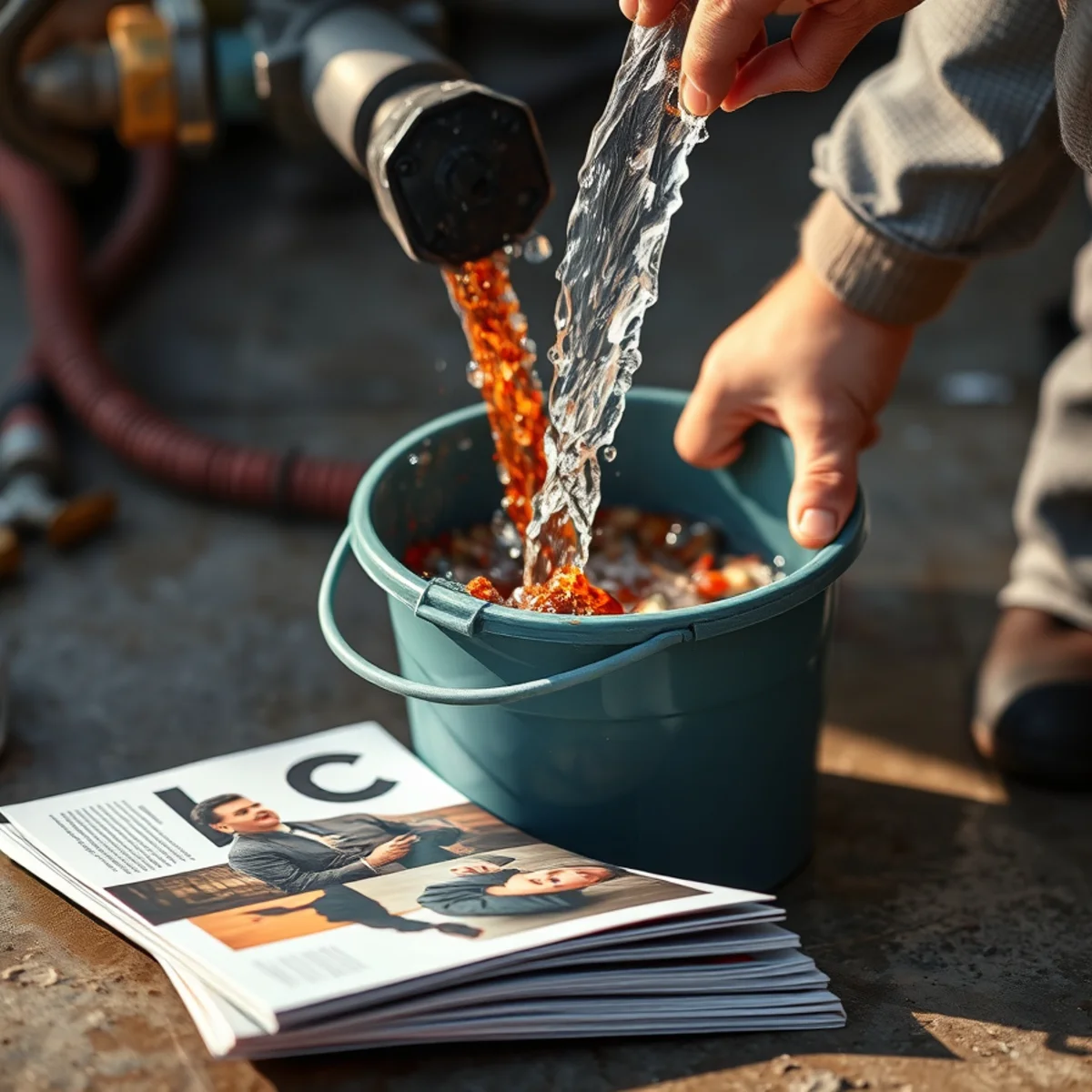
- Sediment & Scale Clogging Aerator Screens: When municipal water is restored after a shutdown, the initial hydraulic surge scours decades of rust, calcium, and mineral scale from city pipes into private lines. This debris instantly plugs faucet aerator screens, showerheads, and toilet fill valves.
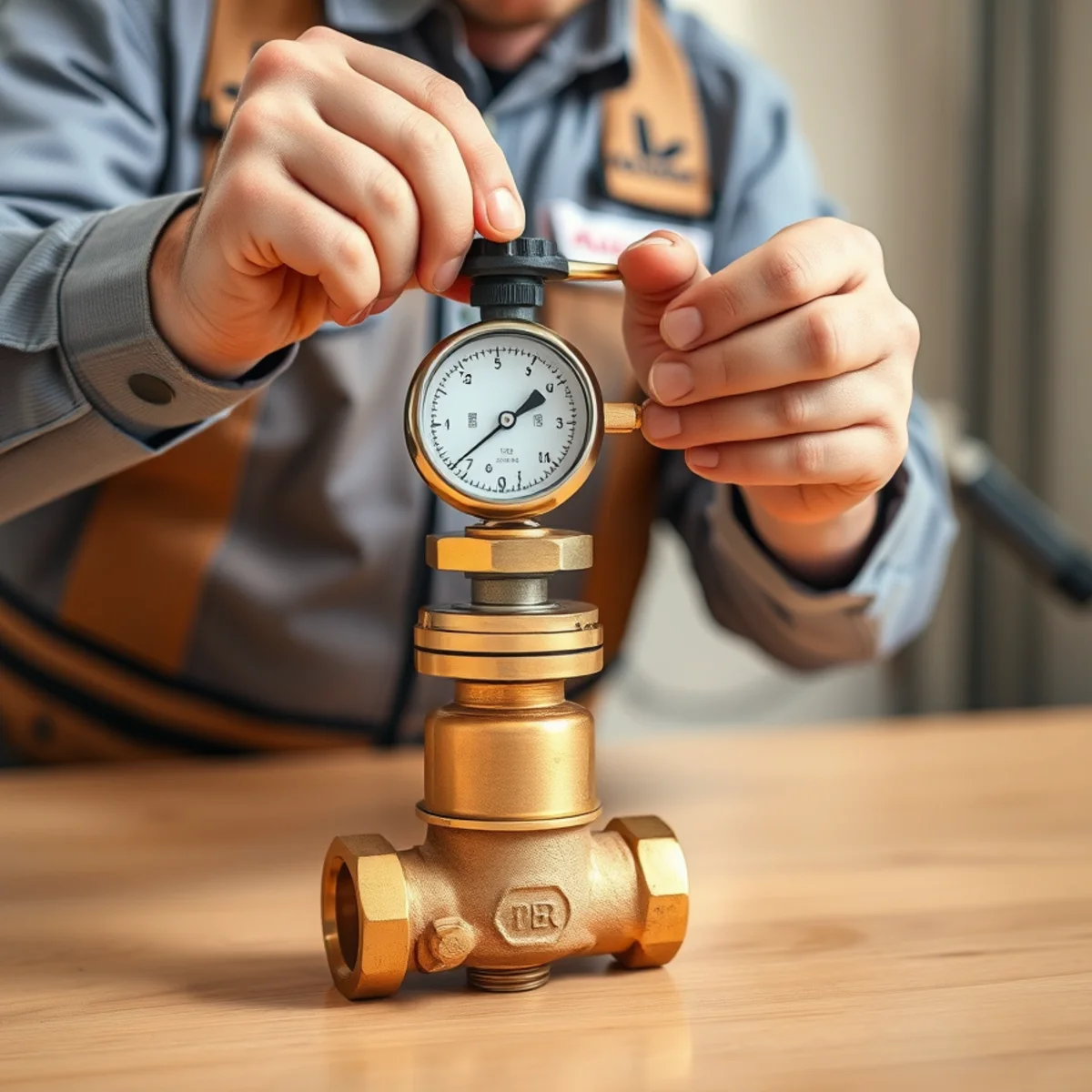
- Failed Pressure-Reducing Valve (PRV): Most modern League City homes feature a brass bell-shaped PRV near the water meter to step down high city pressure. High-velocity sediment pulses can jam the internal spring diaphragm, locking the valve in a restricted position.
- Hidden Yard Line Shear from Fallen Trees: If large oaks or pines on your property uprooted during the storm, root balls can stretch, crack, or shear buried copper or PVC water supply pipes beneath your lawn.
Homeowner Troubleshooting Checklist
- Check Multiple Fixtures: Is pressure low everywhere or only at one bathroom sink? If isolated, unscrew the faucet aerator tip—you will likely find sand and rust flakes trapped inside.
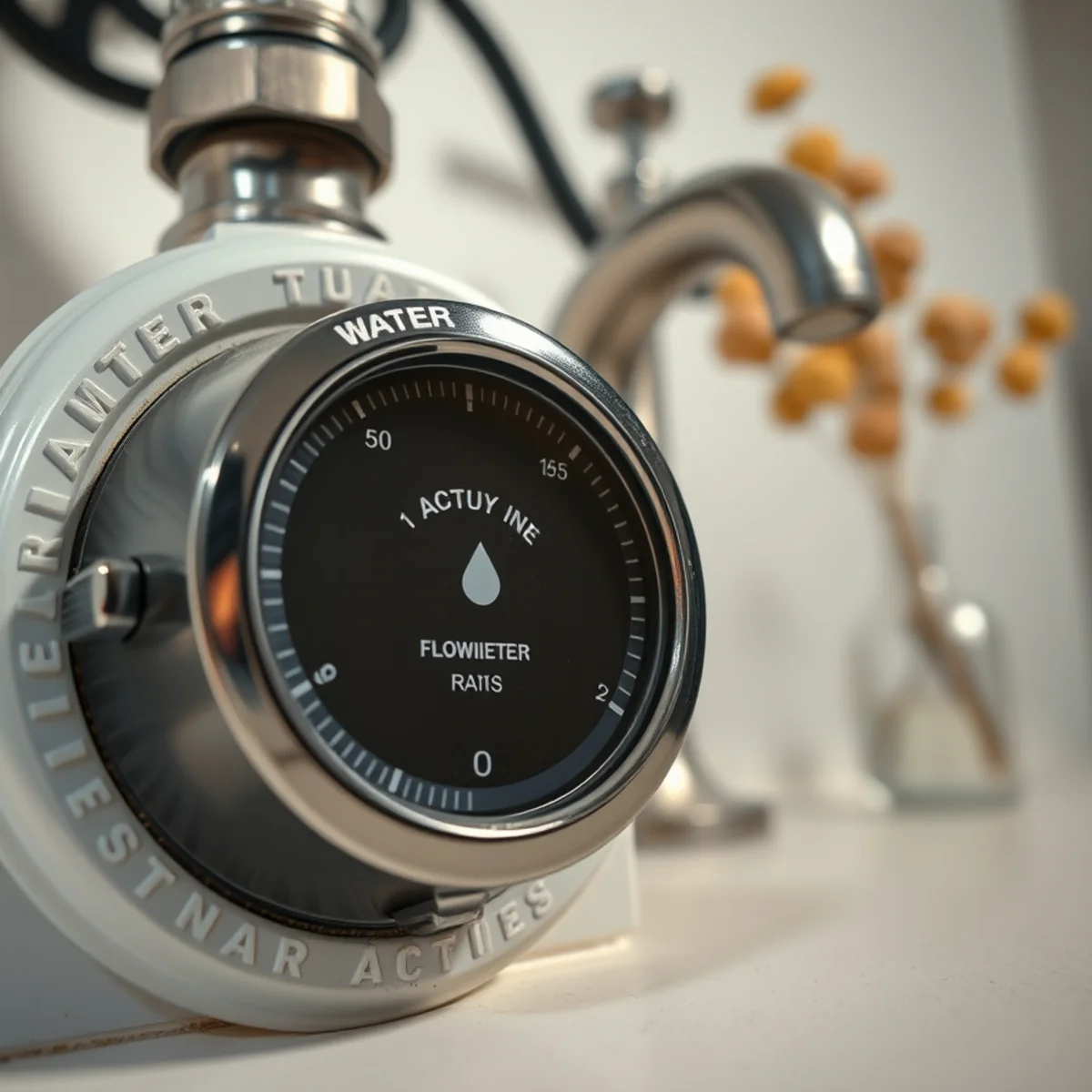
- Inspect Your Water Meter: Turn off all indoor taps and check the digital leak indicator or red triangular dial on your water meter. If it spins while no water is running inside, you have an underground yard pipe rupture.
- Test the Outdoor Hose Bib: Turn on an exterior spigot directly adjacent to the main water shutoff. If pressure is strong outside but weak inside, your PRV or whole-house water filter cartridge is choked with storm sediment.
Post-Storm Pressure Diagnostics Table
| Observed Symptom | Root Cause | Remediation Action |
|---|---|---|
| Low pressure across entire home | Jammed PRV or sediment-choked main filter | PRV recalibration or cartridge swap |
| Low pressure + spinning water meter | Underground yard line rupture from tree root heave | Acoustic leak detection & PEX repair |
| Hot water pressure weak; cold is fine | Water heater sediment buildup or jammed heat trap nipple | Tank sediment flush or nipple replacement |
| Brown, rust-colored water flowing | City main scoured; sediment in domestic pipes | Whole-house high-volume line purge |
Expert E-E-A-T Insight: The Dangers of Post-Storm Back-Siphonage
When municipal water pressure drops significantly during a storm, negative hydraulic pressure (a vacuum) can develop inside water mains. If cross-connection devices like vacuum breakers on garden hose bibs or backflow preventers on irrigation systems fail, stagnant groundwater or pool water can be siphoned backward into your household drinking water lines. Always boil municipal tap water until official safety tests clear your area.
If your water pressure remains low after a storm in League City, Webster, TX, or Galveston County, contact League City Pro Plumbing & Drain at (831) 290-4327 for pressure testing and PRV replacement.
Illustrated Field Diagnostics & Procedure Steps

This guide was compiled by licensed Texas Master Plumbers with over 15 years of active field diagnostic experience across League City, Clear Lake, and Galveston County. Every diagnostic protocol, code citation, and repair recommendation adheres strictly to the 2021 International Plumbing Code (IPC) and municipal guidelines. For emergency triage or on-site inspections, our mobile fleet is dispatched 24/7 from 1930 Highway 3 S.
Related Plumbing Services:
Areas Mentioned in this Guide:
Questions Answered in this Guide
Frequently asked questions related to this plumbing topic.
Check with neighbors on your street. If their pressure is completely normal, the issue is isolated to your private pressure-reducing valve, whole-house filter, or an underground yard leak.