
Summary & Key Takeaway:
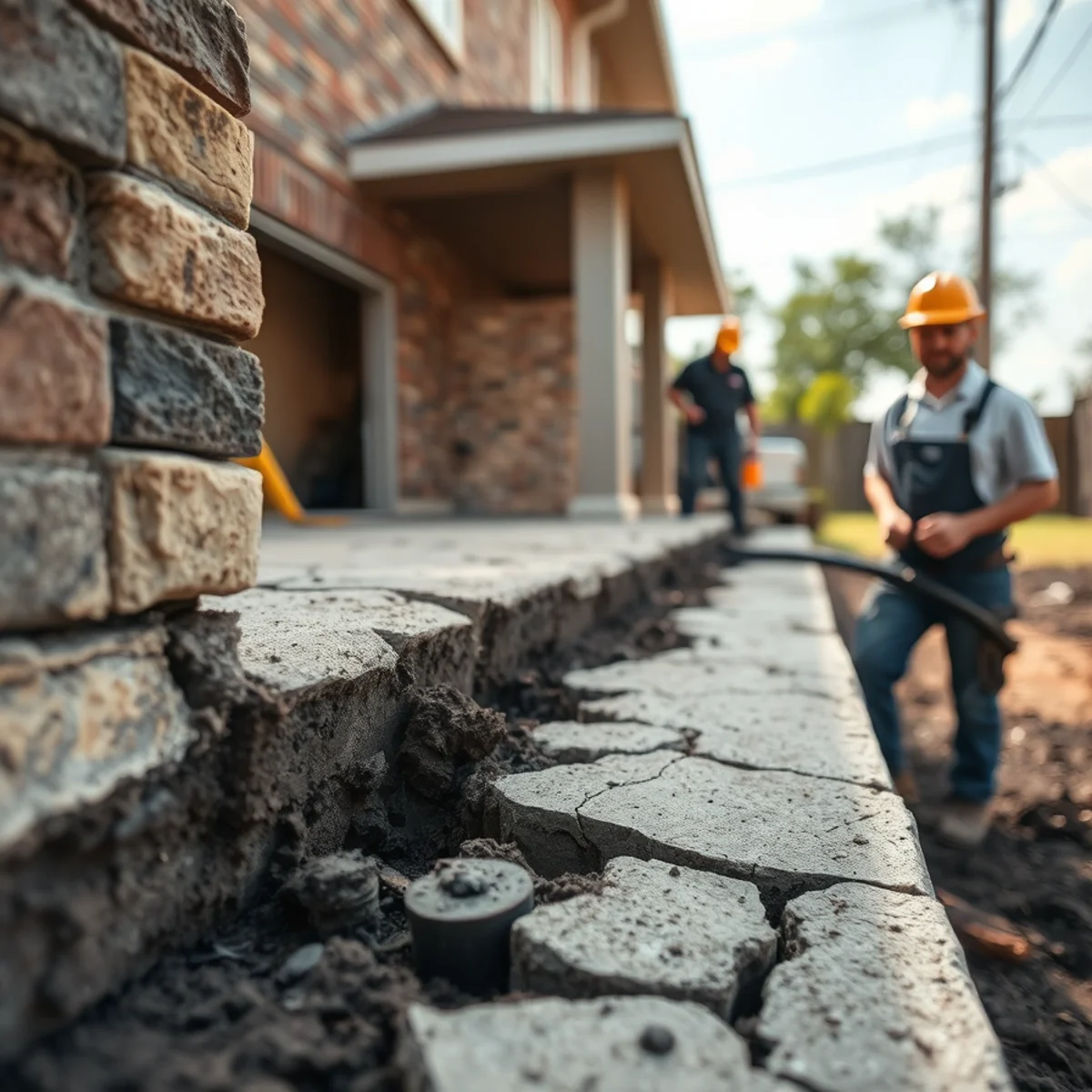
Galveston County sits on expansive Beaumont formation clay with immense shrink-swell capacity. During seasonal Texas drought and rain cycles, soil movement flexes concrete slab foundations, placing severe shear tension on embedded copper plumbing pipes and causing chronic slab leaks.
If you live in Galveston County, your home is built on one of the most geotechnically active soils in North America: the Beaumont Clay Formation. While concrete slab-on-grade foundations are engineered to support residential structures, the immense hydraulic forces generated by expanding and shrinking clay soils exert extreme mechanical stress on the domestic copper plumbing pipes encased within and beneath the slab.
The Soil Mechanics: Plasticity Index and Shrink-Swell Ratios
Beaumont clay is composed primarily of montmorillonite minerals, which possess a lattice crystal structure that absorbs vast quantities of water molecules. In civil engineering terms, this soil exhibits a high Plasticity Index (PI) regularly exceeding 40 to 60:
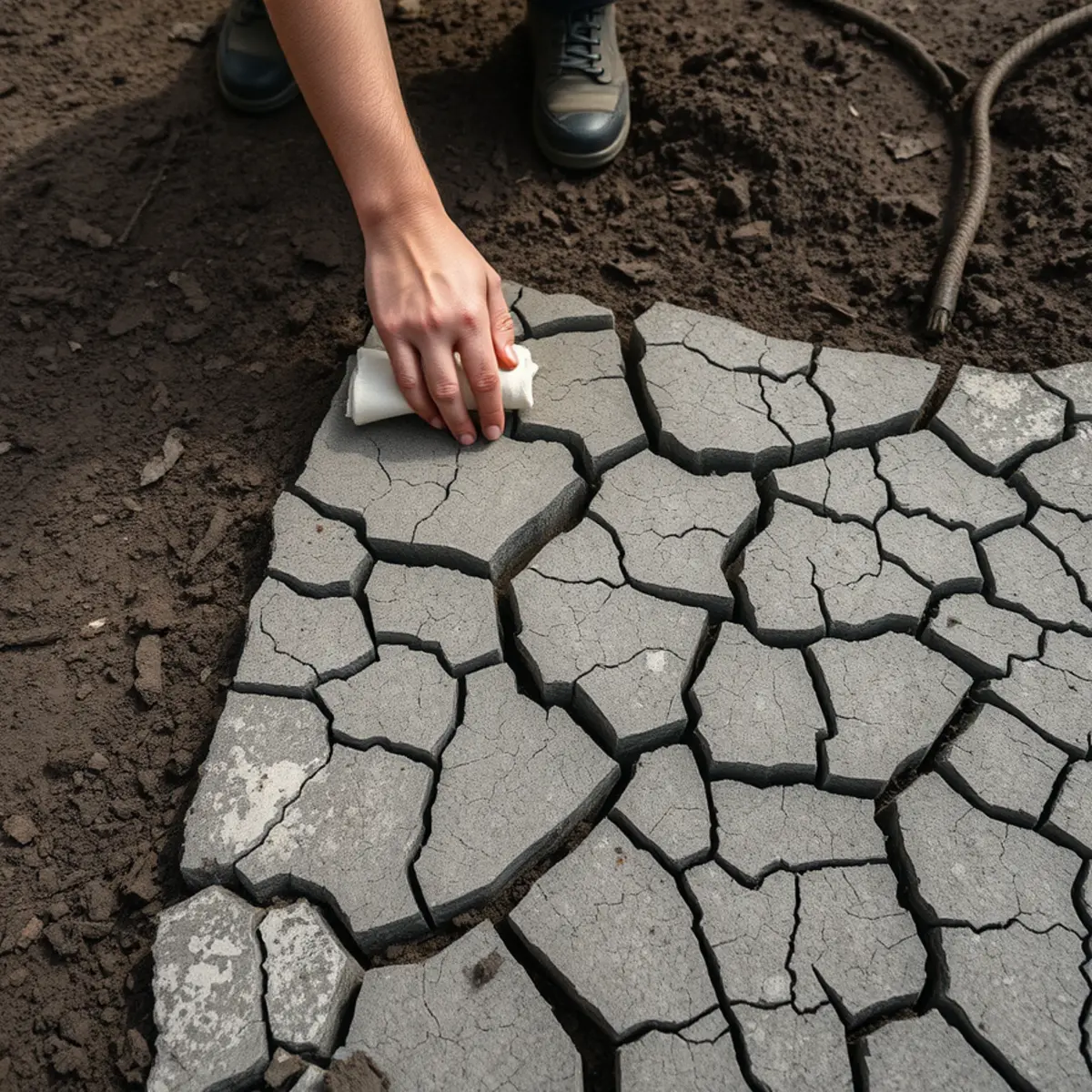
- During Summer Droughts: Soil moisture evaporates, causing the clay to contract dramatically. The ground pulls away from foundations, creating subterranean voids beneath the center and edges of concrete slabs.
- During Tropical Rain Deluges: Heavy rains infiltrate dry fissures. The clay swells with tremendous upward pressure—often exceeding 6,000 to 10,000 pounds per square foot—causing foundation upheaval.
How Foundation Flexing Shears Copper Pipes
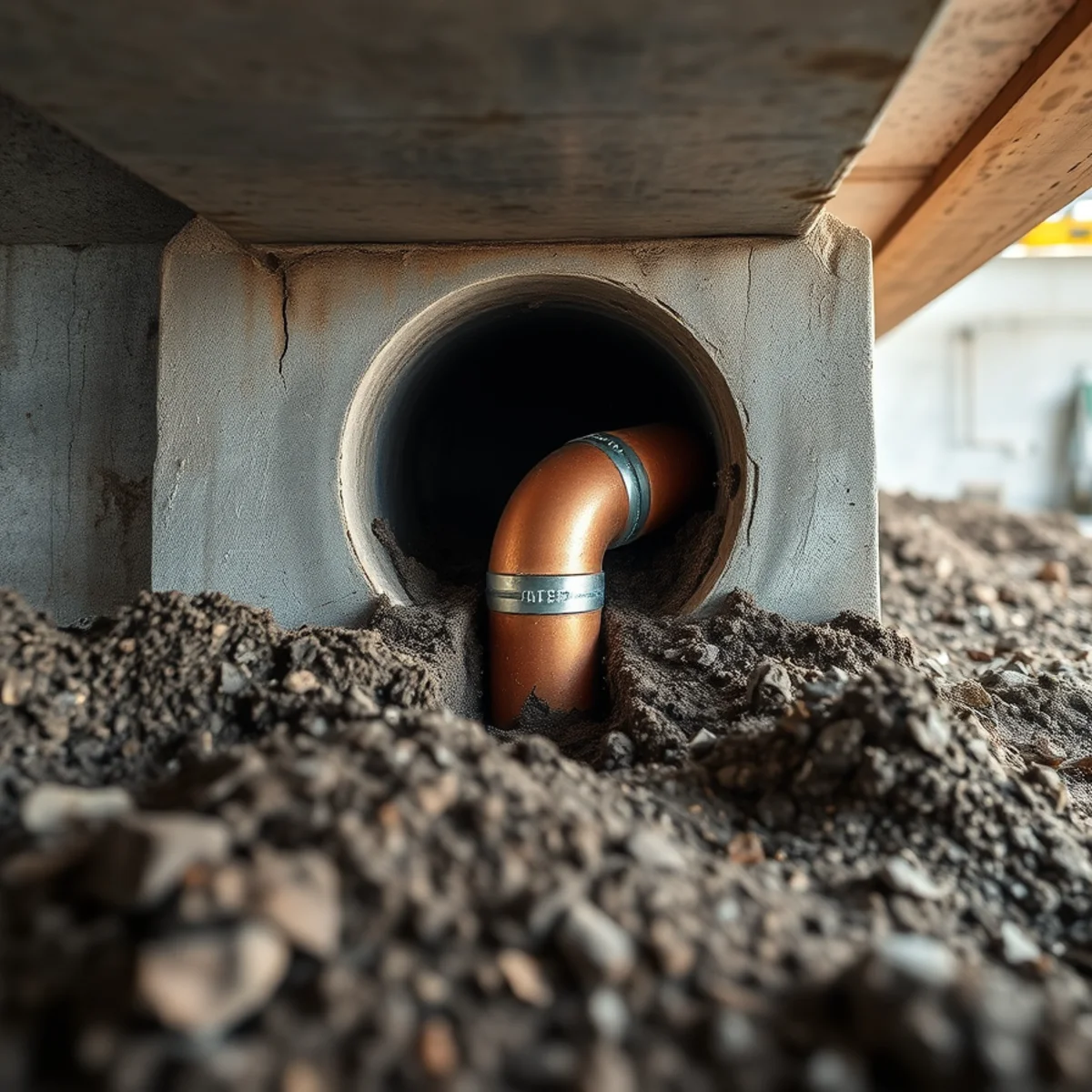
When homes were built across League City and Santa Fe between 1975 and 2005, plumbers laid rigid soft copper tubing directly into the gravel base before the concrete slab was poured. As the foundation flexes over decades, three destructive forces wear down the copper:
- Mechanical Shear Tension: As the concrete moves upward or downward by fractions of an inch, copper pipes penetrating the slab are subjected to vertical shearing forces, stretching soldered joints until they crack.
- Gravel Abrasive Friction: Shifting soil causes the pipe to vibrate and slide against surrounding limestone gravel and concrete aggregate, wearing thin spots on the pipe exterior.
- Galvanic Soil Corrosion: Beaumont clay contains dissolved sulfates and mineral salts that interact electrochemically with the copper exterior, creating pitting corrosion that penetrates through the pipe wall.
Slab Leak Risk Factors by Foundation Age
| Home Era | Plumbing Material | Primary Soil Vulnerability | Recommended Solution |
|---|---|---|---|
| 1970 – 1989 | Thin-wall Type M Copper | Severe galvanic pitting & joint shear | Whole-House Repipe (Attic Uponor PEX) |
| 1990 – 2005 | Type L Copper under slab | Cyclical foundation flex & pinhole leaks | Overhead PEX Line Reroute |
| 2006 – Present | PEX-A / Post-Tension Slab | Resilient flexibility; fitting stress points | Manifold & fitting integrity check |
Expert E-E-A-T Insight: Soil Soaker Hose Foundation Maintenance
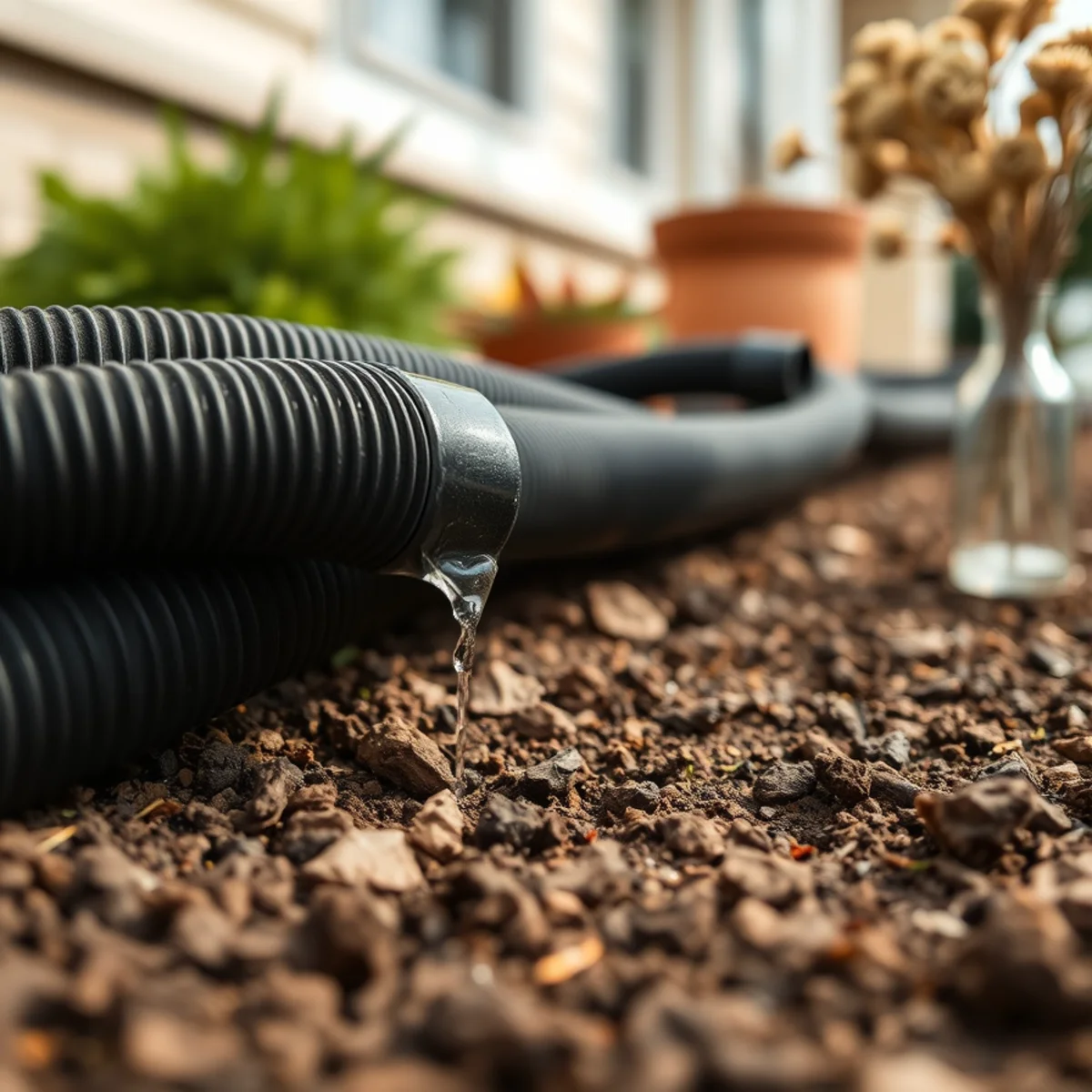
The single most effective preventative measure a League City homeowner can take to protect their foundation and plumbing is maintaining uniform soil moisture. During hot Texas droughts, lay a commercial soaker hose 12 to 18 inches away from your foundation perimeter. Run the hose on a timer for 15 to 20 minutes twice daily to keep the clay from shrinking and cracking away from the slab edges.
If you notice warm floors, spinning water meters, or cracked sheetrock in League City, Santa Fe, TX, or Galveston County, contact League City Pro Plumbing & Drain at (831) 290-4327 for non-invasive Slab Leak Detection & Repair.
Illustrated Field Diagnostics & Procedure Steps
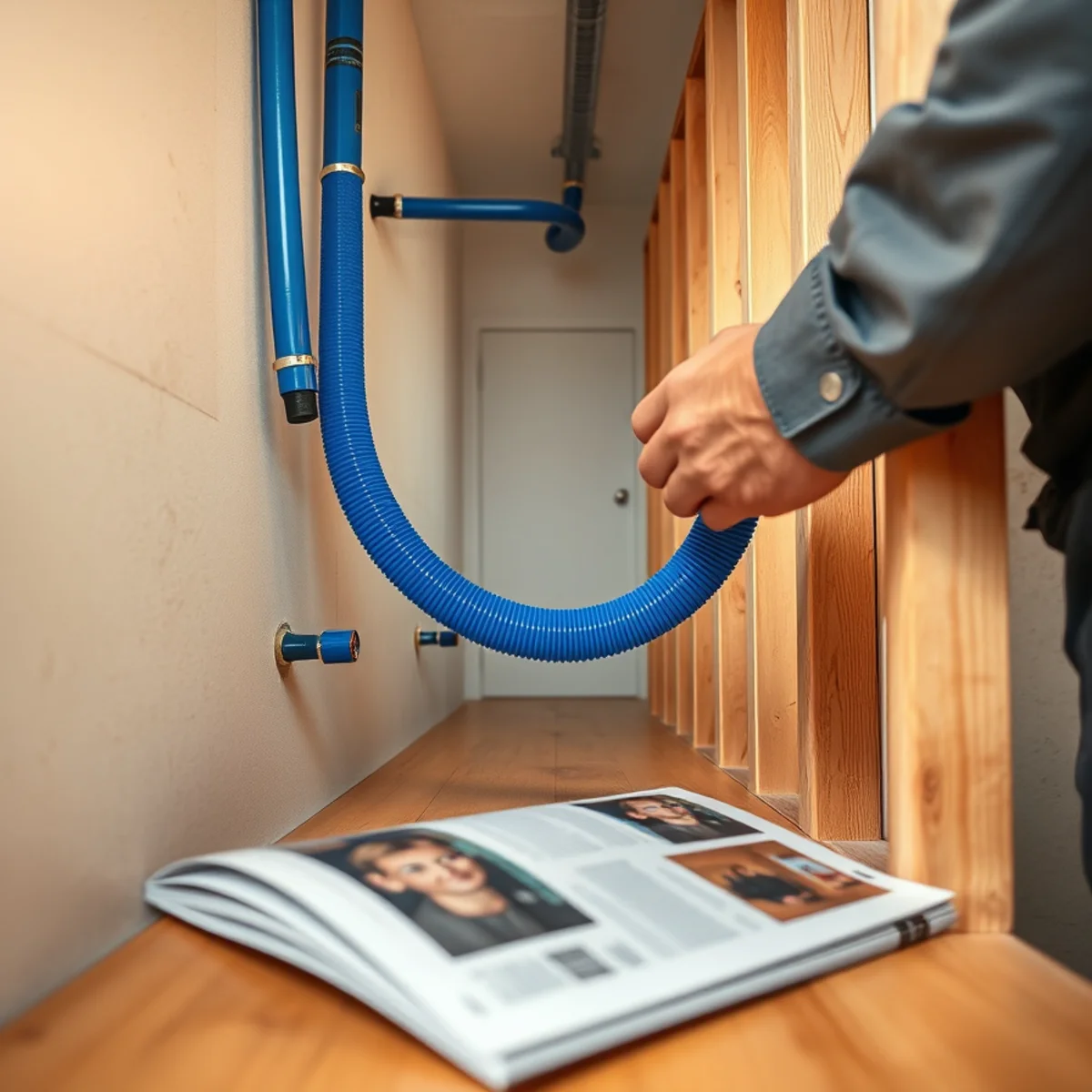
This guide was compiled by licensed Texas Master Plumbers with over 15 years of active field diagnostic experience across League City, Clear Lake, and Galveston County. Every diagnostic protocol, code citation, and repair recommendation adheres strictly to the 2021 International Plumbing Code (IPC) and municipal guidelines. For emergency triage or on-site inspections, our mobile fleet is dispatched 24/7 from 1930 Highway 3 S.
Related Plumbing Services:
Areas Mentioned in this Guide:
Questions Answered in this Guide
Frequently asked questions related to this plumbing topic.
Warning signs include isolated warm spots on tile floors, the sound of hissing water when fixtures are off, unexplained increases in your water utility bill, and damp baseboards or buckling wood flooring.