
Summary & Key Takeaway:
Raising your water heater onto an engineered platform or converting to a wall-mounted tankless unit in League City TX protects vital hot water systems from storm surge flooding, satisfies FEMA Base Flood Elevation (BFE) standards, and lowers insurance premiums.
For homeowners in coastal Galveston County communities like League City, Kemah, and Clear Lake Shores, flood preparedness is an ongoing reality. When storm surges push water across low-lying properties, conventional water heaters sitting on garage or utility closet floors are instantly ruined. Elevating your water heating infrastructure above local flood heights is one of the highest-ROI plumbing investments you can make.
The Real Cost of a Submerged Water Heater
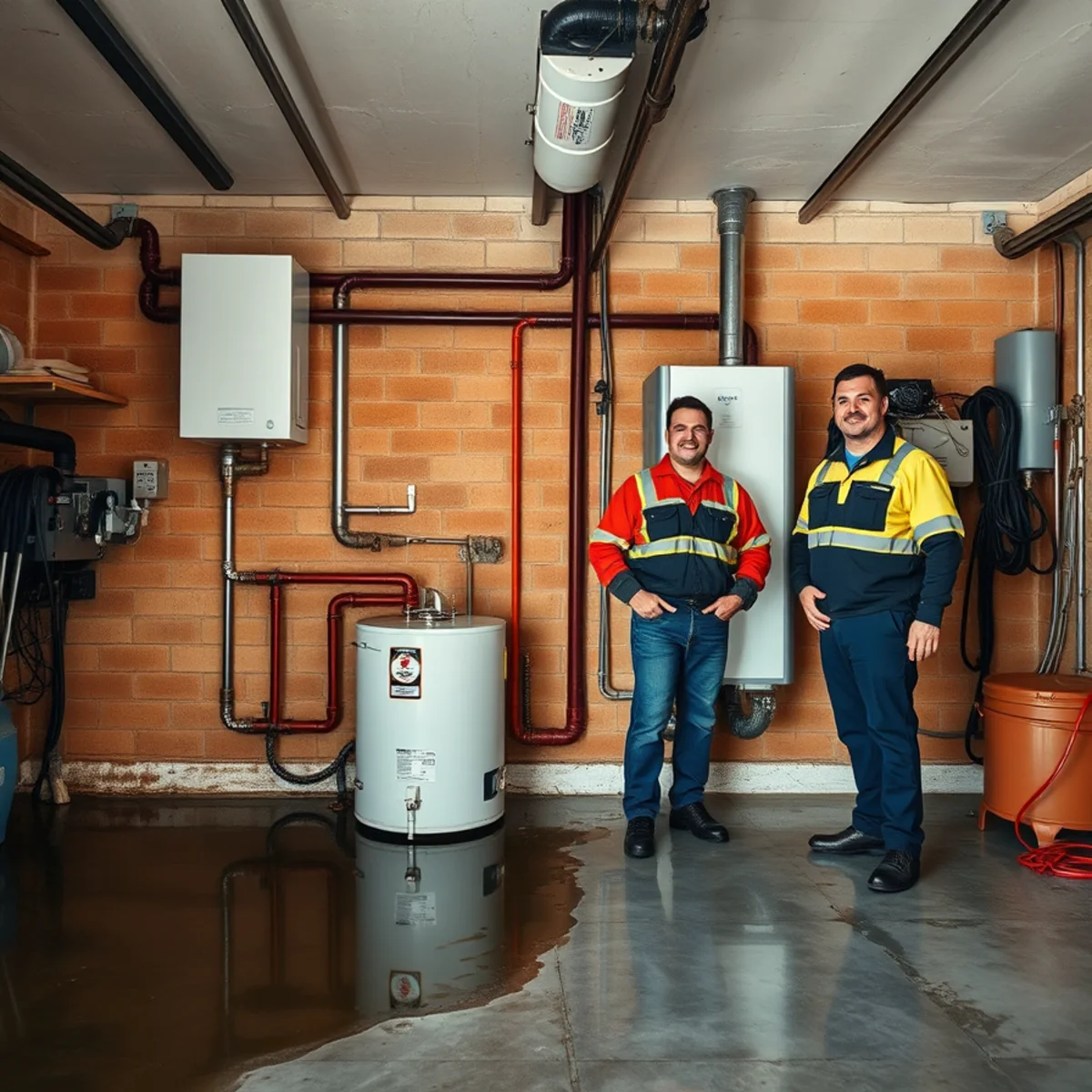
When floodwater reaches 6 to 12 inches inside a garage, a standard floor-standing water heater suffers total catastrophic loss. Corrosive salt water destroys the gas control valve, saturates internal fiberglass insulation with blackwater bacteria, and shorts out electric thermostats. By code and manufacturer policy, submerged tanks cannot be repaired—they must be completely hauled away and replaced, costing $1,200 to $2,500 every time your garage takes on water.
Two Engineered Methods for Raising Water Heaters
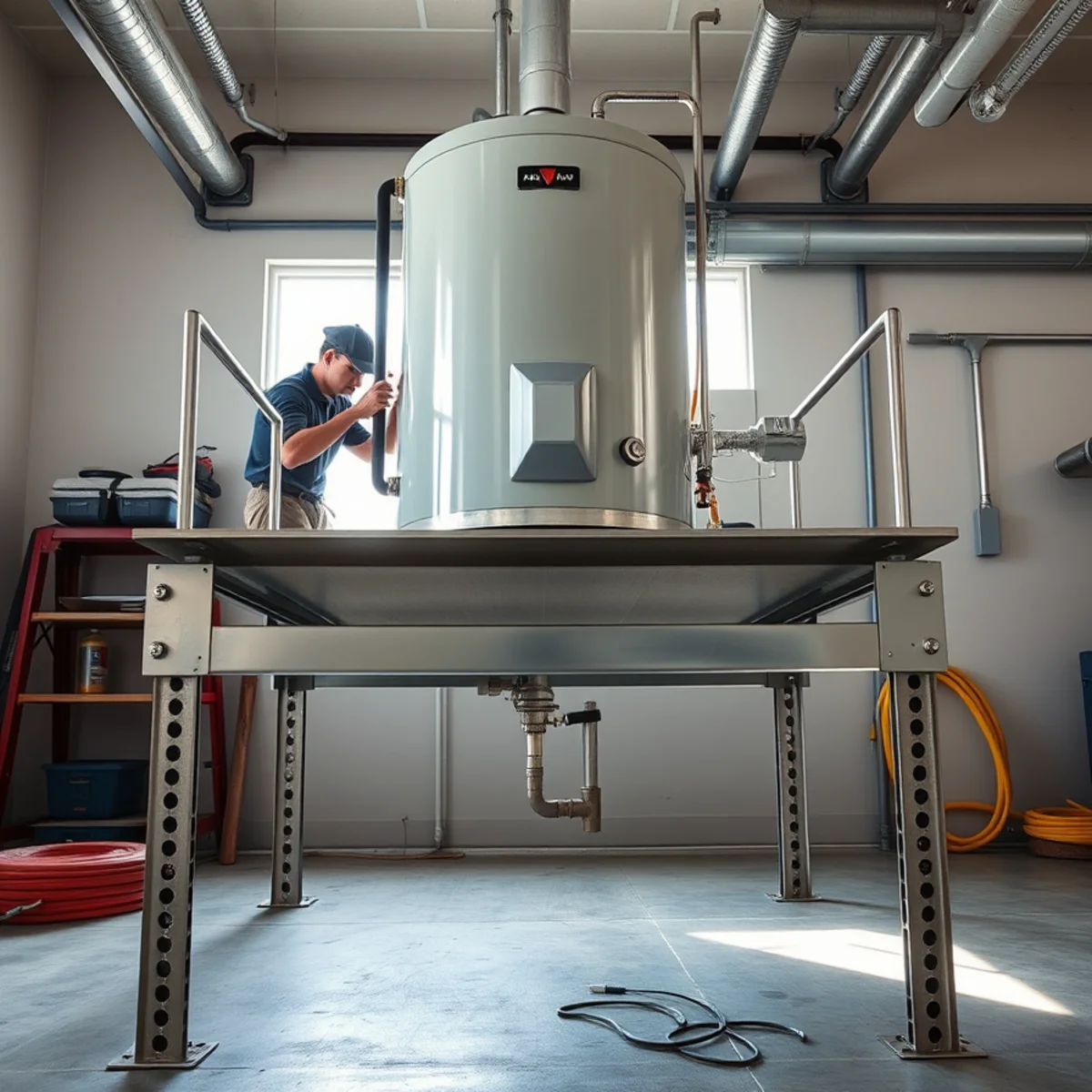
- Option 1: Engineered Elevated Platform: We build or install heavy-gauge galvanized steel or pressure-treated wood pedestals bolted into concrete slabs, raising conventional 40- or 50-gallon tanks 18 to 36 inches above the garage floor. Includes heavy-duty seismic wind-strapping and safety drain pans.
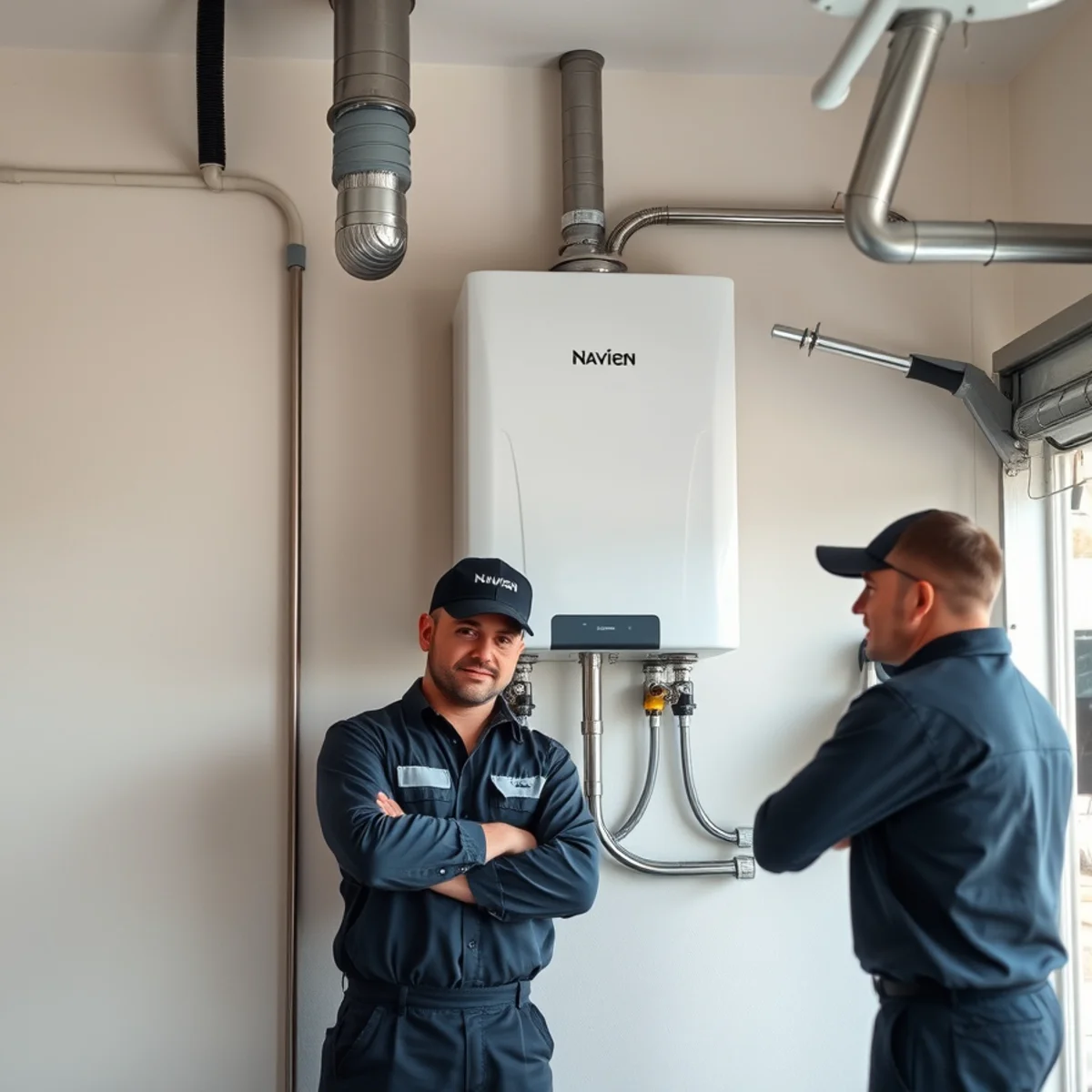
- Option 2: Wall-Mounted Condensing Tankless Conversion (Recommended): We remove the bulky floor tank entirely and install a compact, ultra-high-efficiency Navien or Rinnai tankless water heater mounted 4 to 6 feet high on the wall. This elevates all mechanical and electrical components well above historic flood levels while delivering endless hot water.
Elevation Method Comparison Table
| Feature | Elevated Platform Tank | Wall-Mounted Tankless |
|---|---|---|
| Elevation Height | 18 to 36 inches above floor | 48 to 72 inches (Customizable) |
| Flood Surge Protection | Good for minor street overflow | Maximum Protection (Above BFE) |
| Floor Space Consumed | Bulky footprint in garage | Zero floor space (Wall mounted) |
| Equipment Lifespan | 8 to 10 years | 18 to 22 years |
| Typical Investment | $1,200 – $2,200 | $2,200 – $3,800 |
League City Municipal Code & Permitting Compliance
Under Section 309 of the 2021 International Plumbing Code enforced by the City of League City, water heaters located in designated flood hazard zones must be installed at or above the design flood elevation. If elevating a tank, plumbing permits are mandatory, gas lines must be pressure tested, and thermal expansion tanks must be installed to absorb thermal expansion spikes.
Expert E-E-A-T Insight: Insurance Premium Reductions
Elevating mechanical equipment above Base Flood Elevation (BFE) is recognized by FEMA’s National Flood Insurance Program (NFIP) Community Rating System (CRS). Homeowners who document elevated utilities with a certified elevation certificate often qualify for substantial annual discounts on flood insurance premiums.
Ready to elevate your water heater in League City, Kemah, TX, or Galveston County? Call League City Pro Plumbing & Drain at (831) 290-4327 for a free written quote on Tankless Water Heater Installation or platform elevation.
Illustrated Field Diagnostics & Procedure Steps
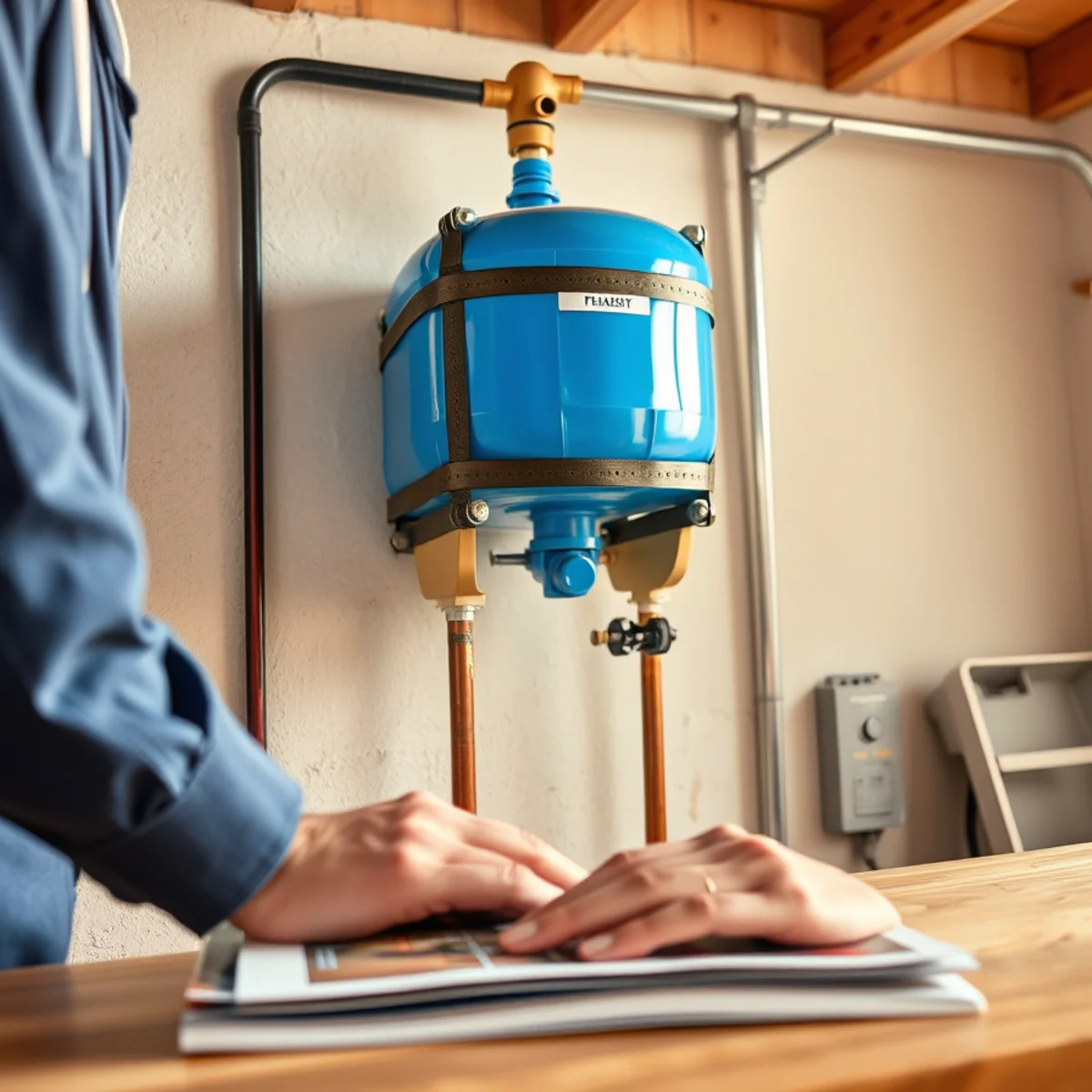
This guide was compiled by licensed Texas Master Plumbers with over 15 years of active field diagnostic experience across League City, Clear Lake, and Galveston County. Every diagnostic protocol, code citation, and repair recommendation adheres strictly to the 2021 International Plumbing Code (IPC) and municipal guidelines. For emergency triage or on-site inspections, our mobile fleet is dispatched 24/7 from 1930 Highway 3 S.
Related Plumbing Services:
Areas Mentioned in this Guide:
Questions Answered in this Guide
Frequently asked questions related to this plumbing topic.
Building and installing a code-compliant elevated platform, re-piping water and gas lines, and adding safety strapping typically costs $450 to $850 in labor and materials, plus city permit fees.