
Summary & Key Takeaway:
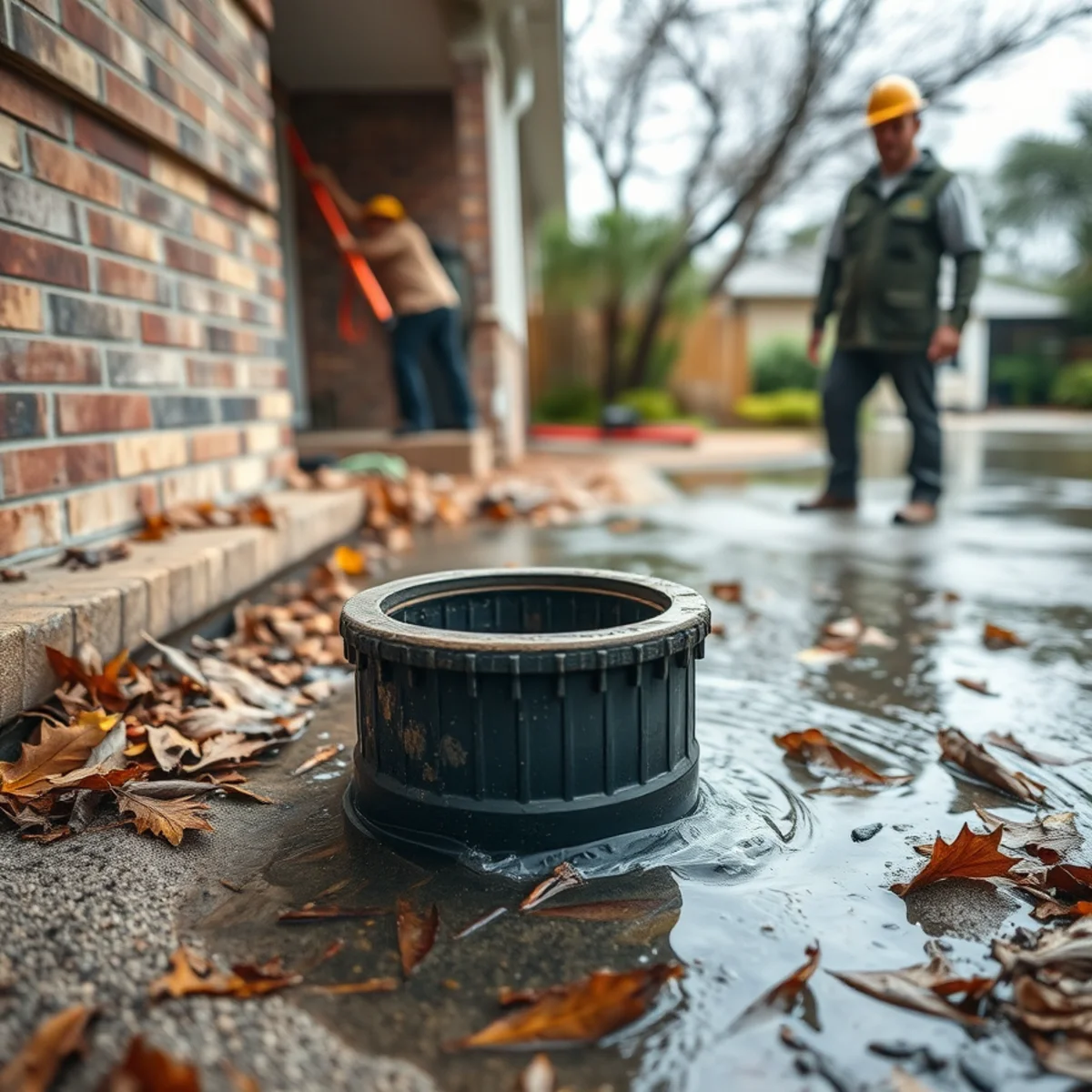
Following tropical storms and heavy hurricane seasons in League City TX, drains clog frequently due to fine coastal silt infiltration, stormwater backwash through yard cleanouts, and aggressive root surges from moisture-seeking live oak trees. Professional 4,000 PSI hydro jetting scours pipes clean.
Every autumn following the conclusion of the Atlantic hurricane season, our dispatch center in League City receives a dramatic spike in service calls for slow, gurgling, or backed-up household drains. Homeowners often believe that a sudden drain stoppage is caused by something recently washed down the kitchen sink. In reality, post-storm drain failures are almost always driven by subterranean environmental factors unique to the Clear Lake coastal basin.
How Storm Deluges Infiltrate Private Sewer Laterals
During major tropical storms, tropical depressions, and hurricanes, three subterranean forces compromise residential sewer lines:
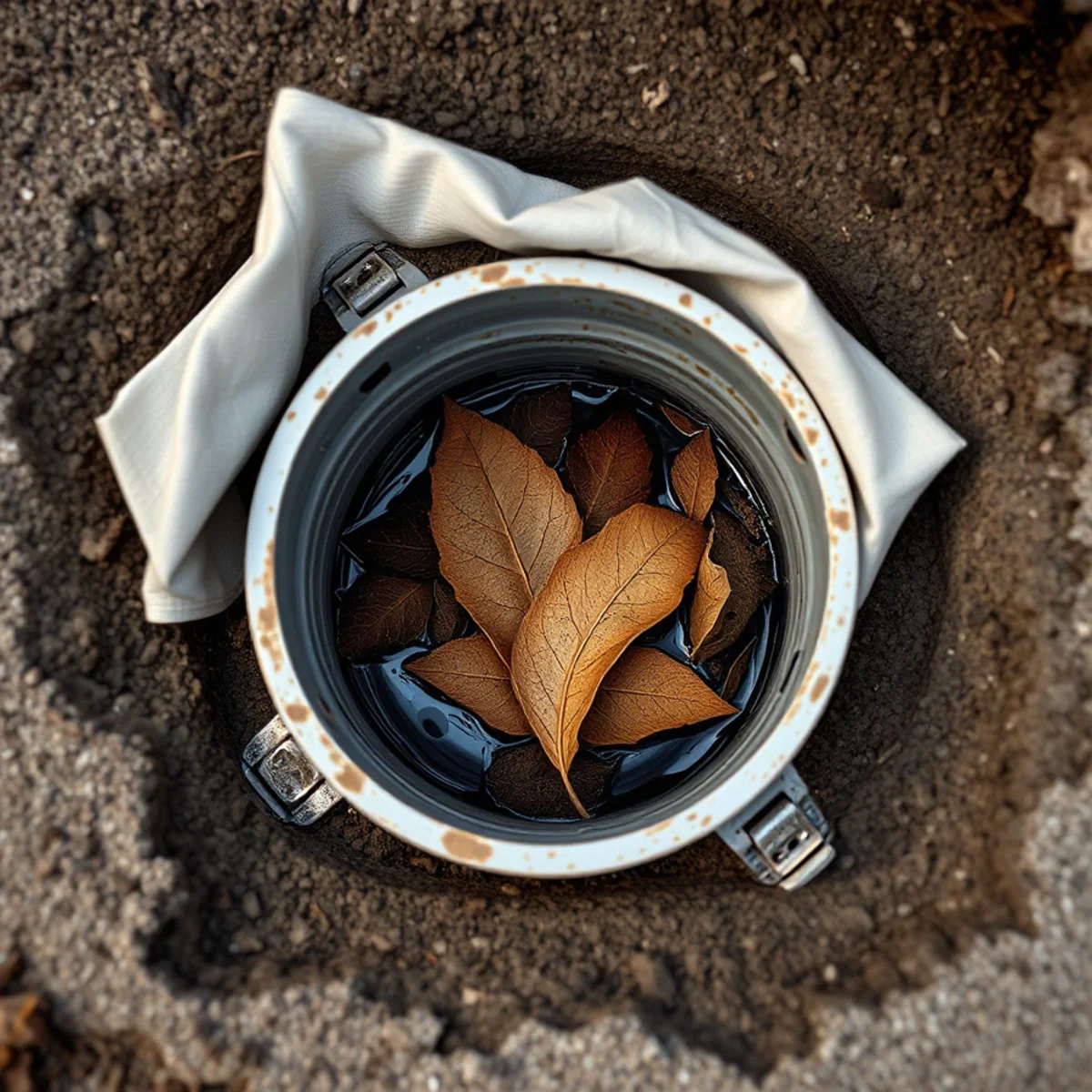
- Silt & Sand Washing into Cleanouts: High overland water submerges ground-level sewer cleanout caps. If caps are cracked, loose, or missing, stormwater laden with fine coastal silt, pine needles, and sand enters the sewer lateral, creating a heavy, dense sediment bed that traditional mechanical snakes cannot remove.
- Aggressive Post-Rain Tree Root Surges: Live oak and pine root systems experience rapid growth following deep rain saturation. Roots penetrate tiny joint seams in cast iron and PVC pipes, rapidly expanding into dense fibrous root balls that trap grease and toilet paper.
- Clay Soil Settling & Pipe Bellies: Saturated Beaumont clay soil loses compaction strength under high water tables. Heavy sewer laterals can sag into low spots ('bellies'), creating standing pools of water where solids settle and choke the line.
Post-Storm Drain Diagnostic Matrix
| Drain Symptom | Probable Post-Storm Cause | Standard Tool | Effective Master Solution |
|---|---|---|---|
| Multiple fixtures slow; toilet bubbles | Main lateral silt bed or root ball | Handheld snake (ineffective) | 4,000 PSI Hydro Jetting & Camera |
| Kitchen sink slow after storm | Grease hardened by cold storm groundwater | Liquid chemical cleaner (damages pipe) | High-volume hot water scouring |
| Water weeping around cleanout cap | City main surcharge or yard pipe belly | Plunger (ineffective) | Sonar camera depth mapping |
Why Mechanical Snakes Fail on Storm Silt
A standard mechanical drain snake uses a rotating steel cable designed to punch a hole through soft paper clogs. When deployed against heavy storm silt and sand, the snake simply bores a 1-inch hole through the sludge. As soon as the cable is retracted, the wet sand collapses back into the void, and your drain re-clogs within hours.
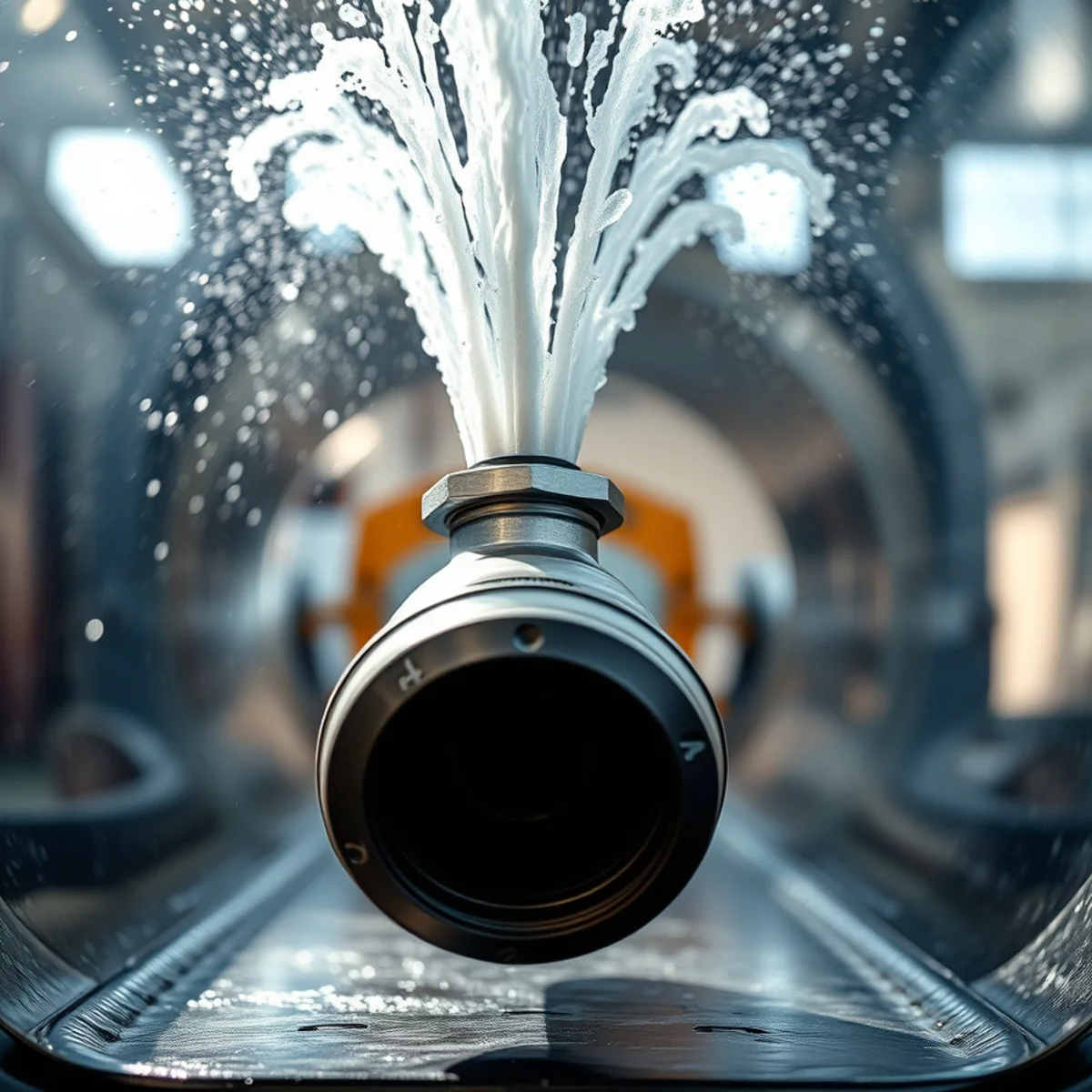
At League City Pro Plumbing, we deploy commercial 4,000 PSI hydro jetting. Trailer-mounted jetters pump 18 gallons of water per minute through 360-degree rotating nozzles, scouring sand and silt completely out of the lateral and into the municipal main.
Serving League City & Coastal Communities
If your drains are sluggish after storm season in South Shore Harbour, Tuscan Lakes, Kemah, TX, or Galveston County, call League City Pro Plumbing & Drain at (831) 290-4327 for same-day Drain Cleaning and optical camera diagnostics.
Illustrated Field Diagnostics & Procedure Steps


This guide was compiled by licensed Texas Master Plumbers with over 15 years of active field diagnostic experience across League City, Clear Lake, and Galveston County. Every diagnostic protocol, code citation, and repair recommendation adheres strictly to the 2021 International Plumbing Code (IPC) and municipal guidelines. For emergency triage or on-site inspections, our mobile fleet is dispatched 24/7 from 1930 Highway 3 S.
Related Plumbing Services:
Areas Mentioned in this Guide:
Questions Answered in this Guide
Frequently asked questions related to this plumbing topic.
No. Chemical drain cleaners dissolve hair and grease through caustic heat, but they have zero effect on mineral sand, clay, or oak tree roots, and they can melt PVC glue or crack cast iron pipes.